

Understanding Casino Odds
Casino odds refer to the statistical likelihood of winning in a particular game or bet within a casino environment. These odds are calculated by the casino and are essential for determining the payout ratios and the house edge. The house edge is the advantage that the casino holds over players, ensuring that over time, the casino will profit from the games offered, especially when players engage with an online casino that features various betting options. For example, in a game of roulette, the presence of a zero or double zero on the wheel skews the odds in favor of the casino, which means a player has a lower chance of winning than they may expect based solely on the number of outcomes.
Understanding casino odds helps players make informed decisions about where to place their bets. Each game has its unique odds, and knowing these can assist players in maximizing their potential returns. For instance, while slots might attract players with their flashy graphics and simple gameplay, they often come with worse odds compared to table games like blackjack or baccarat. By familiarizing themselves with the odds associated with different games, players can better assess their chances of success and make strategic choices that could enhance their gaming experience.
The concept of probability plays a significant role in understanding casino odds. Every bet has specific odds that indicate the likelihood of a certain outcome. For example, in blackjack, the odds of being dealt a natural blackjack are about 4.8%, which translates to roughly a 1 in 21 chance. Such calculations allow players to weigh their options and strategize accordingly. Moreover, knowing the odds can lead to smarter betting behaviors, such as knowing when to double down, split, or simply walk away from the table.
House Edge Explained
The house edge is a critical concept in understanding how casino odds affect a player’s winning chances. It represents the mathematical advantage that the casino maintains over players, typically expressed as a percentage. For example, in a game with a 5% house edge, players can expect to lose, on average, $5 for every $100 wagered. This built-in advantage is what allows casinos to remain profitable over time, regardless of individual player successes or failures.
Different games have different house edges, and understanding these nuances can significantly impact a player’s long-term success. Games like blackjack have a relatively low house edge, often around 1% when played optimally, meaning skilled players can increase their winning chances. In contrast, games such as keno can have a house edge exceeding 25%, making them less favorable for players hoping to achieve consistent wins. Thus, players should consider the house edge when selecting their games, as it directly influences their odds of winning.

It’s important to note that while the house edge guarantees the casino a profit in the long run, individual outcomes can vary widely. A player might experience a winning streak despite the odds being stacked against them. However, over a sufficiently long period, the house edge will assert itself, reminding players that gambling is not merely about luck but also about understanding the mathematics behind the games they play. This insight can help players make wiser betting decisions and potentially minimize their losses.
Game Variations and Their Impact on Odds
Each casino game has its variations, which can significantly influence the odds and, consequently, a player’s chances of winning. For example, in the world of poker, different variations such as Texas Hold’em and Omaha come with distinct strategies and odds. Texas Hold’em is widely popular and has well-documented strategies that can help skilled players capitalize on their opponents’ mistakes, increasing their chances of winning. Conversely, the complexities of Omaha can lead to less predictable outcomes, affecting player dynamics and strategies.
Table games also exhibit variations that impact odds. Take roulette, for instance; American roulette features both a single zero and a double zero, which increases the house edge to about 5.26%. In contrast, European roulette, which has only a single zero, reduces the house edge to approximately 2.7%. Players may experience better winning chances by opting for European roulette over its American counterpart, demonstrating how understanding game variations can affect betting strategies.
Slot machines are another example of how variations can influence odds. Different slots come with varying return-to-player (RTP) percentages, which affect how much players can potentially win over time. Some machines may offer higher volatility, resulting in less frequent but larger payouts, while others provide lower volatility with more consistent, smaller wins. By understanding these variations, players can better align their choices with their risk tolerance and gameplay preferences, potentially increasing their overall chances of winning.
The Psychological Aspect of Odds in Casinos
The psychological aspect of odds is often overlooked but plays a significant role in a player’s gambling experience. Many players enter a casino with a sense of optimism and the belief that they can beat the odds, influenced by stories of big winners and the excitement surrounding the gaming environment. This psychology can lead to risky betting behaviors, as players may chase losses or increase their bets based on emotion rather than rational decision-making. Understanding the true odds can help mitigate these impulsive tendencies and encourage a more strategic approach to gambling.
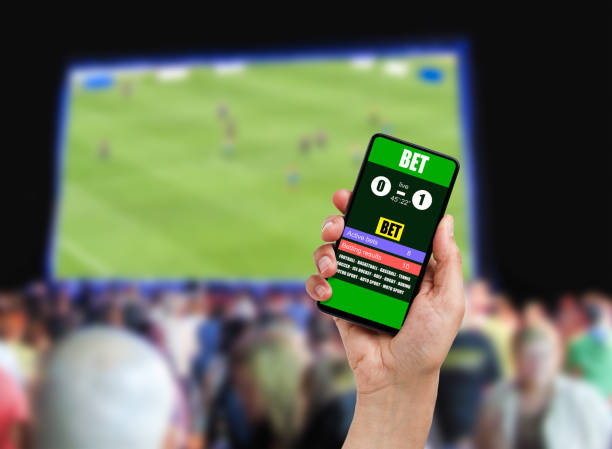
Moreover, the perception of odds can be skewed by the way games are presented. For instance, the flashing lights and alluring sounds of slot machines may create an illusion of higher odds than are actually present. Players might focus on the potential for large jackpots while neglecting the fact that the odds of hitting those jackpots are often astronomically low. This disconnect between perception and reality can lead to poor betting decisions, emphasizing the importance of staying informed about the actual odds and house edges of the games they play.
Additionally, understanding the psychological factors at play can aid in developing a responsible gambling strategy. Players who recognize the impact of cognitive biases on their betting patterns can take steps to regulate their behavior, such as setting limits on time and money spent at the casino. Ultimately, awareness of the psychological dimensions of odds can empower players to make more informed, calculated decisions, enhancing their overall gaming experience while minimizing potential losses.
Your Resource for Casino Information
For those looking to deepen their understanding of casino odds and improve their chances of winning, reputable resources can provide valuable information. Many websites offer guides to various casino games, breaking down the odds, strategies, and tips that can enhance a player’s experience. These resources can help players make informed decisions by presenting the facts in an accessible manner, making complex concepts easier to comprehend.
Additionally, many online platforms provide simulators or practice games that allow individuals to experience the odds and gameplay without financial risk. This can be an effective way for players to familiarize themselves with different games, observe how odds fluctuate based on player decisions, and develop strategies that align with their playing style. Engaging with these resources can lead to a more enjoyable and rewarding gaming experience.
Ultimately, understanding casino odds is essential for anyone looking to engage with casino games more strategically. By utilizing the available information and acknowledging the interplay between odds, house edge, game variations, and psychological factors, players can make smarter bets and increase their chances of success. Informing oneself through credible sources will not only enhance one’s knowledge but also add to the thrill of the gaming experience while promoting responsible gambling practices.