
The allure of gambling: why people are drawn to casinos
The allure of gambling in casinos is largely driven by a blend of thrill, excitement, and the potential for monetary gain. For many, the prospect of hitting the jackpot creates an enticing atmosphere filled with hope and possibility. This emotional pull is further amplified by the sensory overload present in casinos, from the vibrant lights to the sounds of cheering winners. These elements create an exhilarating experience that can easily lead individuals to gravitate toward online pokies these gaming establishments, as they become enveloped in an environment designed to stimulate their senses and emotions.
Addiction to risk-taking behavior also plays a crucial role in attracting individuals to casinos. Many people find themselves captivated by the adrenaline rush that comes with betting, as the uncertainty of outcomes can evoke strong feelings of anticipation. This excitement often leads players to engage in higher stakes and make impulsive decisions. The thrill of the gamble can act as a powerful motivator, pushing individuals to return to the casino in hopes of replicating that initial high, ultimately exemplifying a classic case of the gambler’s fallacy, where players believe they can overcome the odds through sheer will or strategy.
Additionally, social factors contribute significantly to the allure of casinos. Many people enjoy gambling in groups, transforming it into a social event rather than just a solitary activity. The camaraderie built while sharing in both wins and losses amplifies the engagement with the gaming experience. Whether it’s celebrating a jackpot with friends or commiserating over a series of losses, the social aspect of gambling promotes continued participation and reinforces the psychological need for belonging and community, making the casino a hub for social interaction and connection.
The psychological mechanisms at play during gambling
The psychology behind gambling involves several mechanisms that influence behavior and decision-making. A primary factor is the concept of variable reinforcement, which suggests that people are more motivated when they believe rewards are unpredictable. Casinos strategically implement this principle through slot machines and other games that provide intermittent wins, creating a thrilling environment that keeps players engaged. The unpredictability of outcomes fosters compulsive behavior, as players continuously chase their next big win, often leading to an escalation of their gambling activities over time.
Moreover, cognitive biases play a significant role in gambling behavior. Players often exhibit overconfidence in their abilities, leading them to believe they have more control over the outcome than they actually do. This illusion of control can be dangerous, as it encourages continued gambling despite frequent losses. For example, an individual might convince themselves that they have developed a “strategy” to win at games like blackjack or poker, neglecting the inherent randomness of these games and fostering a false sense of security that can lead to further financial loss.

The emotional impact of gambling is also profound. The thrill of a win can induce a rush of happiness, while a loss can bring feelings of frustration and disappointment. This emotional rollercoaster creates a dependency on the highs associated with winning, perpetuating a cycle of repeated gambling behavior. For many, the emotional peaks of winning outweigh the lows of losing, complicating the psychology behind gambling addiction and making it increasingly difficult for individuals to break free from the cycle of gambling.
The role of environment and design in casinos
Certainly, the design and layout of a casino significantly influence gambling behavior. Casinos are strategically designed to maximize player engagement and prolong visits. The absence of clocks, limited windows, and the incorporation of comfortable seating encourage players to lose track of time and focus solely on the games. This deliberate design creates an immersive experience that can lead to extended periods of gambling, often resulting in financial losses that may not be immediately recognized by the player. The environment is crafted to be all-consuming, with every detail curated to keep players enthralled.
Furthermore, the arrangement of games can affect decision-making processes. High-stakes games are often placed near more casual ones, creating an environment where less experienced players may feel tempted to try their luck at bigger risks. This can lead to a phenomenon known as “loss chasing,” where players become determined to recover their losses by increasing their bets, often leading to riskier behaviors and greater financial loss. The strategic placement of games is a calculated move to encourage higher spending and risk-taking among patrons.
Additionally, casinos utilize lighting, sound, and decor to enhance the gambling experience. Bright lights and celebratory sounds create an atmosphere of excitement and victory, which can distract players from their losses. The emotional connection built through this sensory experience can lead to a desire to remain engaged, further amplifying the potential for compulsive gambling. Everything from the music played to the color schemes used contributes to a player’s psychological experience, making the casino environment specifically designed to keep them returning, often at the expense of their financial well-being.
Gambling addiction: recognizing the signs and seeking help
Recognizing gambling addiction requires an understanding of its symptoms and the profound impact it can have on individuals and their loved ones. A common sign is an increasing preoccupation with gambling, where an individual spends significant time thinking about or engaged in gambling activities. This obsession can lead to neglect of responsibilities, whether personal, professional, or financial. As the addiction deepens, individuals often find themselves lying about their gambling habits or feeling guilty about their behavior, which further isolates them from friends and family, creating a cycle of shame and secrecy.
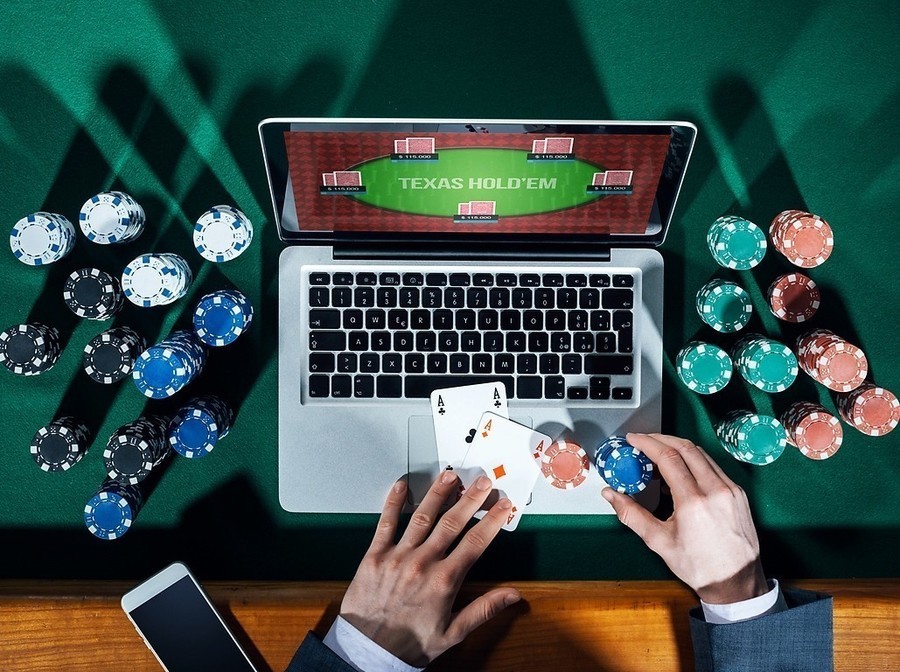
Another crucial aspect is the financial consequences that accompany gambling addiction. People may spend beyond their means, leading to mounting debts and financial instability. The cycle of chasing losses becomes a pervasive pattern, with individuals unable to recognize when to stop. This financial strain can lead to a deterioration of relationships, as trust breaks down due to dishonesty regarding finances and gambling habits. The pressure and stress resulting from such circumstances can have dire consequences, affecting mental health and overall well-being.
Seeking help for gambling addiction is essential for recovery. Various resources are available, including support groups and counseling services that specialize in gambling addiction. These organizations provide frameworks for understanding the addiction and offer strategies to regain control over gambling behaviors. Family support plays an instrumental role in this process, as loved ones can encourage individuals to seek help and rebuild their lives outside of gambling, fostering a supportive environment that facilitates healing and recovery.
Exploring resources and tools for responsible gambling
Many casinos understand the potential for gambling addiction and have begun implementing tools and resources for responsible gambling. This includes self-exclusion programs, which allow individuals to voluntarily ban themselves from casinos for a specified period, helping to limit access and manage their gambling behaviors. These programs aim to demonstrate the establishment’s commitment to player safety while promoting awareness about the risks of gambling addiction, thereby fostering a culture of responsibility among patrons.
Furthermore, many casinos provide educational materials that help players understand the odds of various games and the importance of setting spending limits. Offering workshops and seminars on responsible gambling can create an environment where players feel empowered to make informed decisions regarding their gambling habits. Knowledge about odds and outcomes helps demystify the gambling experience, reducing the allure of the idea that winning is easier than it truly is, and equipping players with the tools they need to gamble responsibly.
Additionally, online resources and hotlines are available for individuals seeking guidance or support in managing their gambling behavior. These resources can provide immediate assistance to those who feel overwhelmed by their gambling habits. Whether through counseling services or live chat options, there is a growing recognition of the need for accessible information and support systems aimed at those struggling with gambling addiction. Websites dedicated to responsible gaming offer tips and self-assessment tools, fostering a culture of accountability and awareness among players, ultimately promoting healthier gambling habits.